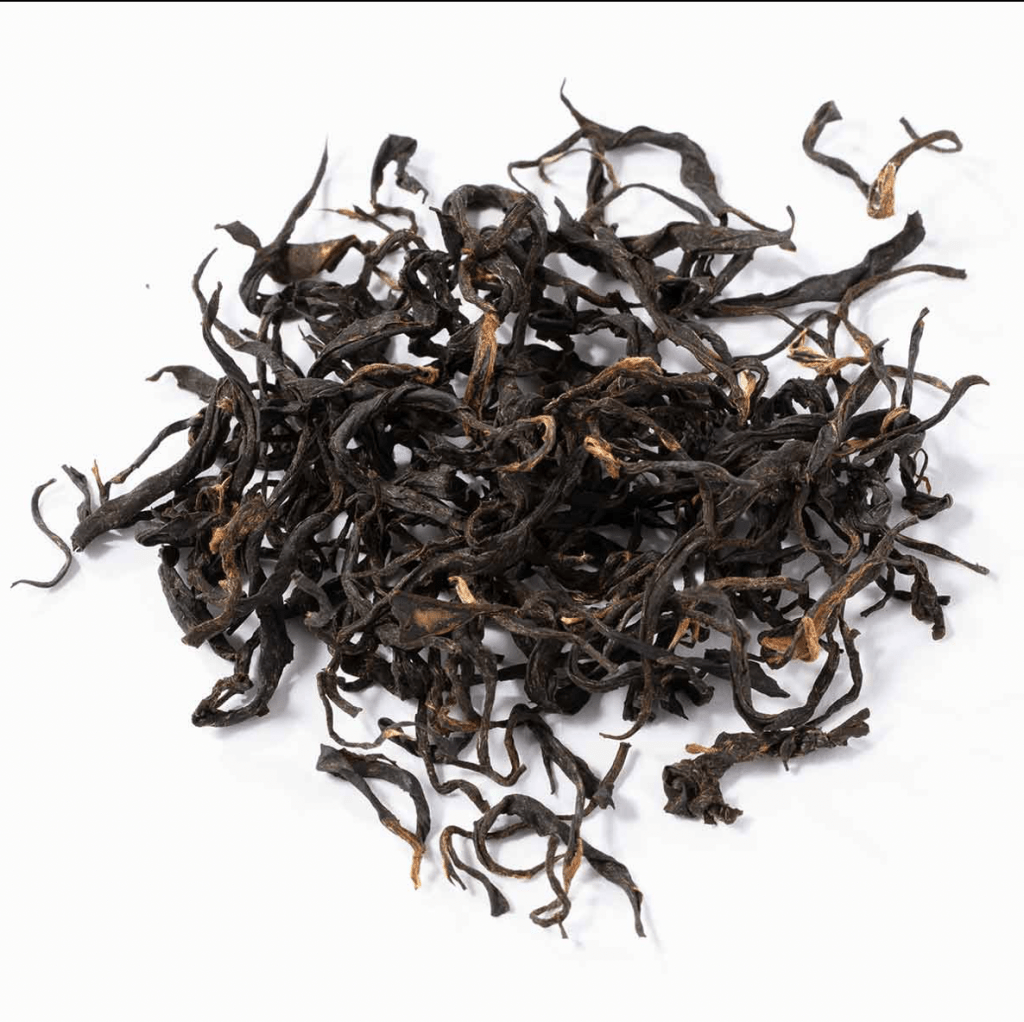
Black tea is often seen as the most familiar type of tea. Something everyday. Something straightforward. But at its best, it is anything but ordinary.
When it is sourced and produced well, black tea has a surprising amount of depth. You can find notes of honey, stone fruit, malt, soft citrus, warm spice, sometimes even cocoa. It is fuller than green or white tea, but that does not mean it is heavy. There is often a kind of balance to it, where richness and elegance sit next to each other quite naturally.
Across different cultures, black tea has always been associated with energy and endurance. From a simple breakfast cup in Britain to spiced teas in the Middle East, it has been part of daily life for a long time.
There is also a reason for that. Black tea contains compounds that form during oxidation, theaflavins and thearubigins, which contribute to both flavour and potential health benefits. Things like cardiovascular support, metabolism, and overall vitality are often linked to it. But beyond that, it is simply a tea that gives a lot. In flavour, and in how it makes you feel.
At The Tea Group, the black teas we select reflect that range, from bold and warming to more refined and aromatic.
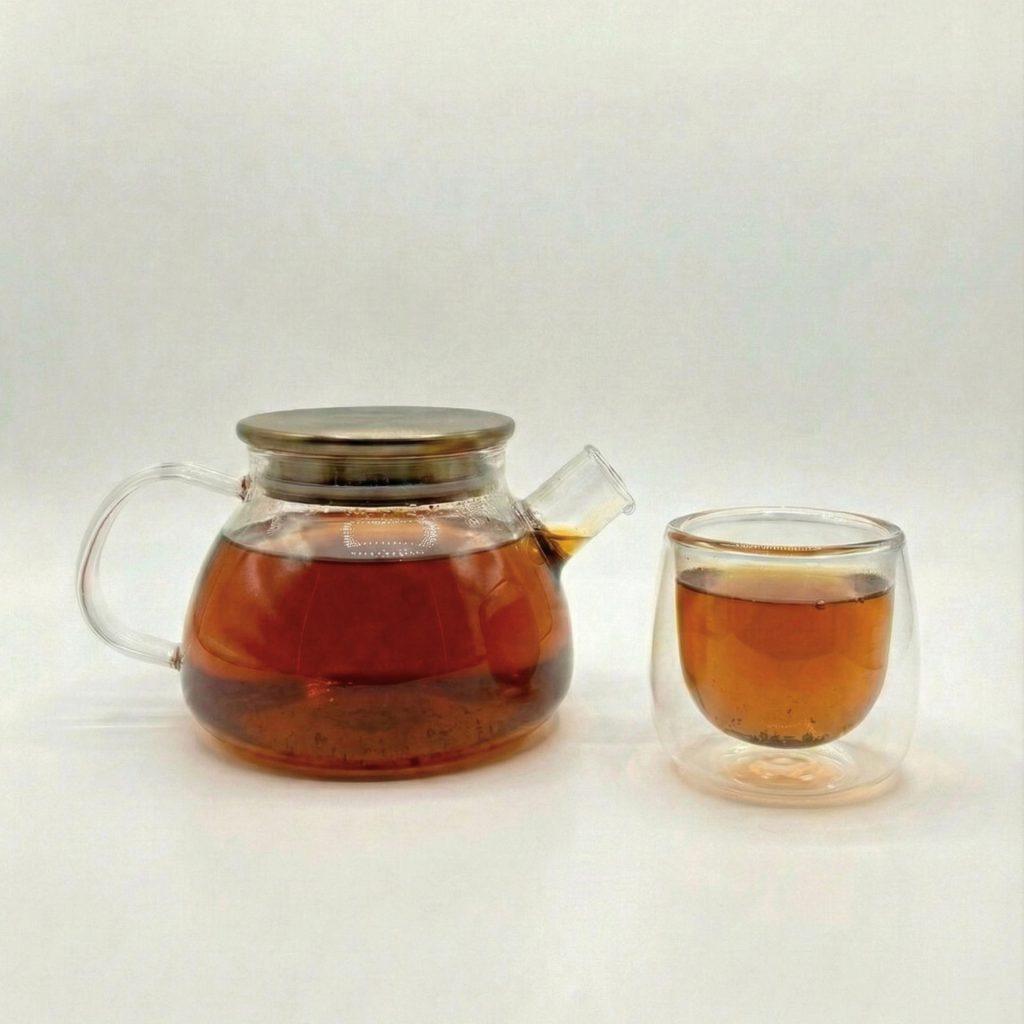
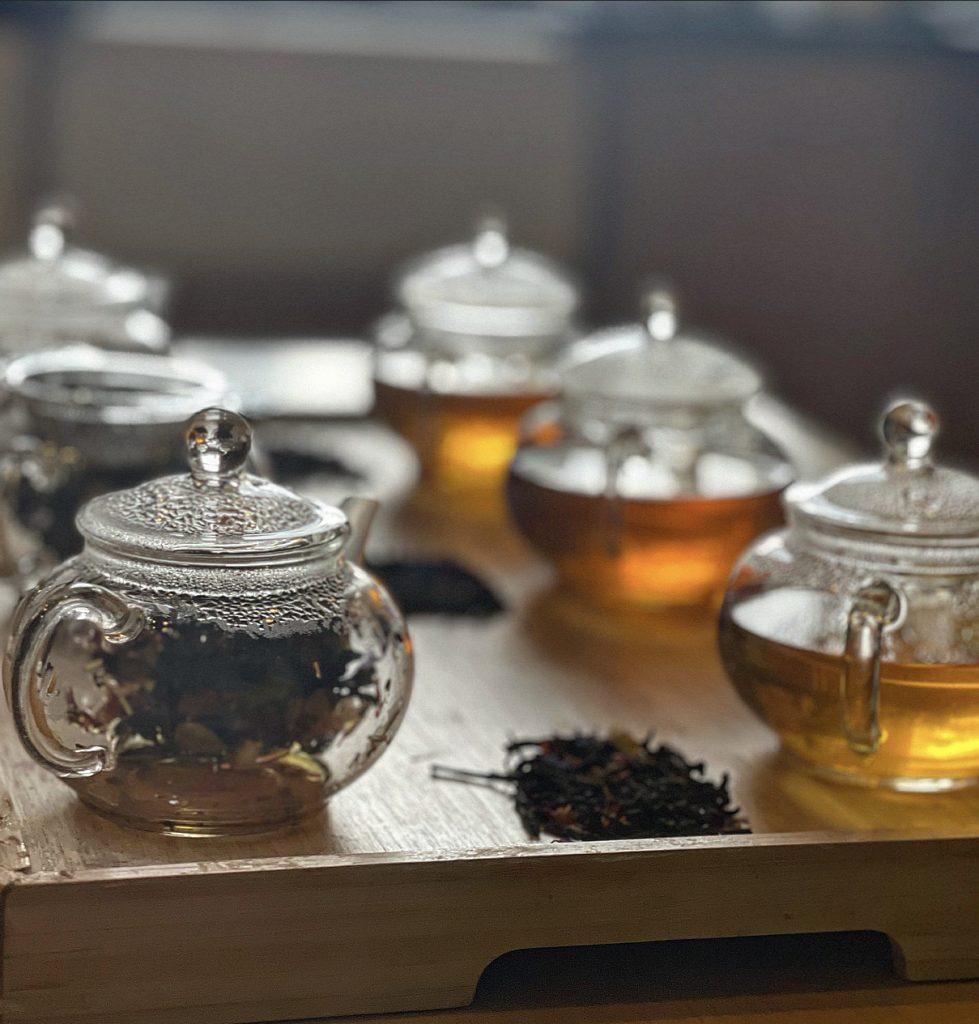
What sets black tea apart from lighter teas is oxidation. After the leaves are picked, they are allowed to oxidise fully. This is what darkens the colour, deepens the aroma, and creates that rounded, full-bodied texture.
Good black tea should feel smooth. Not sharp, not overly bitter. Even without sugar, there is often a natural sweetness in the finish. The best ones manage to combine strength with clarity. You get depth, but also structure. That balance is what separates a high quality tea from something more basic.
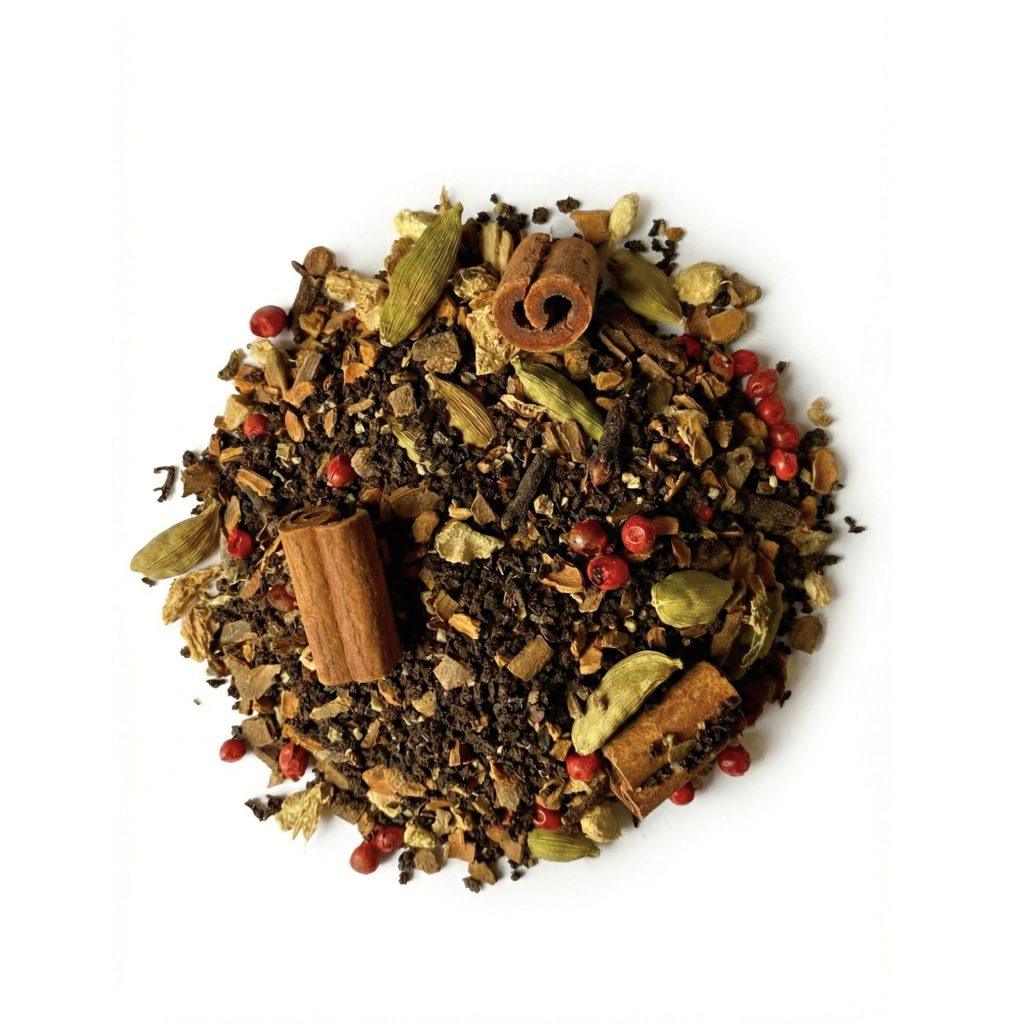
Arabian Saffron Chai builds on traditions where tea is more than just a drink. It is something shared, something that creates warmth. The black tea base gives it structure, while the spices add layers. Cardamom, ginger, cinnamon, they all bring a sense of warmth that feels quite immediate.
The saffron sits slightly above that. Not dominant, but noticeable. It adds a soft floral note and that distinctive golden colour.
There is also a functional side to it. Spices like these have long been associated with circulation and digestion, while saffron is often linked to mood and antioxidant properties.
But more than anything, it is a tea that feels comforting and energising at the same time. The kind of tea that works well on colder mornings, or when you need something to reset a bit.
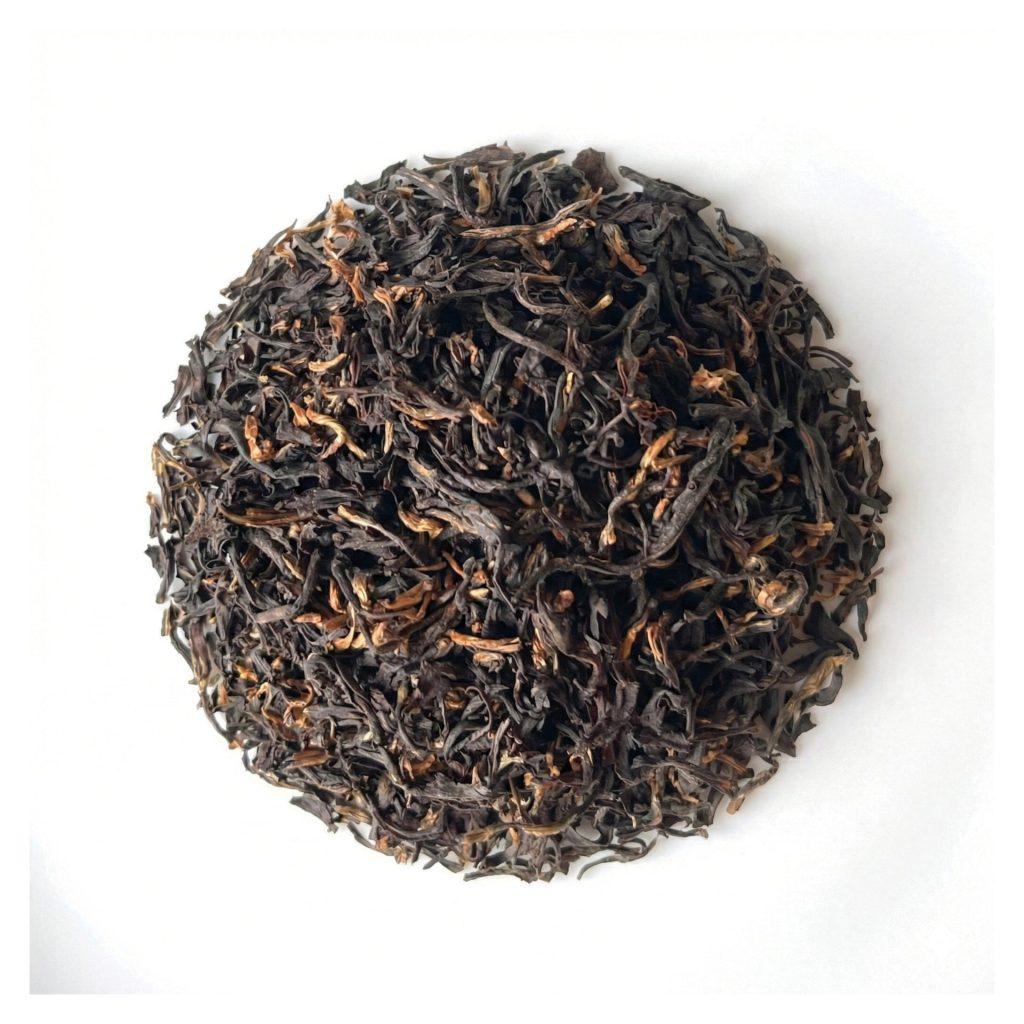
Exclusive British Breakfast tea often gets reduced to one thing. Strong. But when it is done properly, it is more nuanced than that.
Raw Pure Exclusive British Breakfast has depth, but it does not feel heavy. There are malted notes, a bit of natural sweetness, and a clean finish that keeps it from becoming overwhelming. It is structured, but still smooth.
From a broader perspective, black tea has been linked to heart health and cholesterol balance in a number of studies, largely due to its antioxidant content. In practice, this is simply a very reliable morning tea. It gives a steady kind of energy, without the sharper edges you sometimes get from coffee.
Tea grown in Britain is still relatively rare, which is part of what makes it interesting. The climate in Jersey is quite different from traditional tea regions. Cooler, with a maritime influence. That changes how the leaves develop.
The result is a black tea that feels a bit lighter, a bit more refined. Softer tannins, some gentle floral notes, and a smoother overall profile. Because production is limited, it also carries a certain rarity. Not in a forced way, but simply because there is not much of it.
And like most carefully produced teas, it retains a good amount of its natural compounds, which contribute both to flavour and to the broader benefits associated with tea.