

Digestive comfort is not something people tend to talk about in the same way as flavour or aroma. But in traditional tea cultures, the connection between tea and digestion has always been understood quite clearly.
Across China, Japan, and much of Asia, tea is often served after meals. Not just as something refreshing, but as something that helps the body settle and process what has just been eaten. Warm liquids support circulation, certain plant compounds stimulate digestion, and some botanicals simply help the stomach relax.
Modern research is still catching up with a lot of these ideas. Many teas contain compounds that may reduce bloating, ease discomfort, and support overall digestive balance.
But in practice, it is not just about picking something labelled as a “digestive tea”. It is more about choosing teas that work with your body, your habits, and your daily rhythm.
At The Tea Group, a number of our teas and blends naturally support this, simply through how they are made and how they are experienced.
Digestion is influenced by more than just what you eat. Stress, hydration, how quickly you eat, even your general state of mind all play a role. Tea supports this in a few different ways.
Warm liquids help relax the muscles in the stomach and intestines. Certain compounds act as mild carminatives, which can reduce gas and discomfort. Polyphenols in tea can support beneficial gut bacteria. Even the small amount of caffeine in some teas can gently stimulate digestion without overwhelming the system.
Herbal teas like chamomile have been used for a long time to calm irritation in the digestive tract. Green tea is often associated with supporting balance and reducing inflammation.
And then there is the ritual itself. Sitting down, slowing down, drinking something warm. That alone signals to the body that it is safe to relax, which directly affects how digestion works.
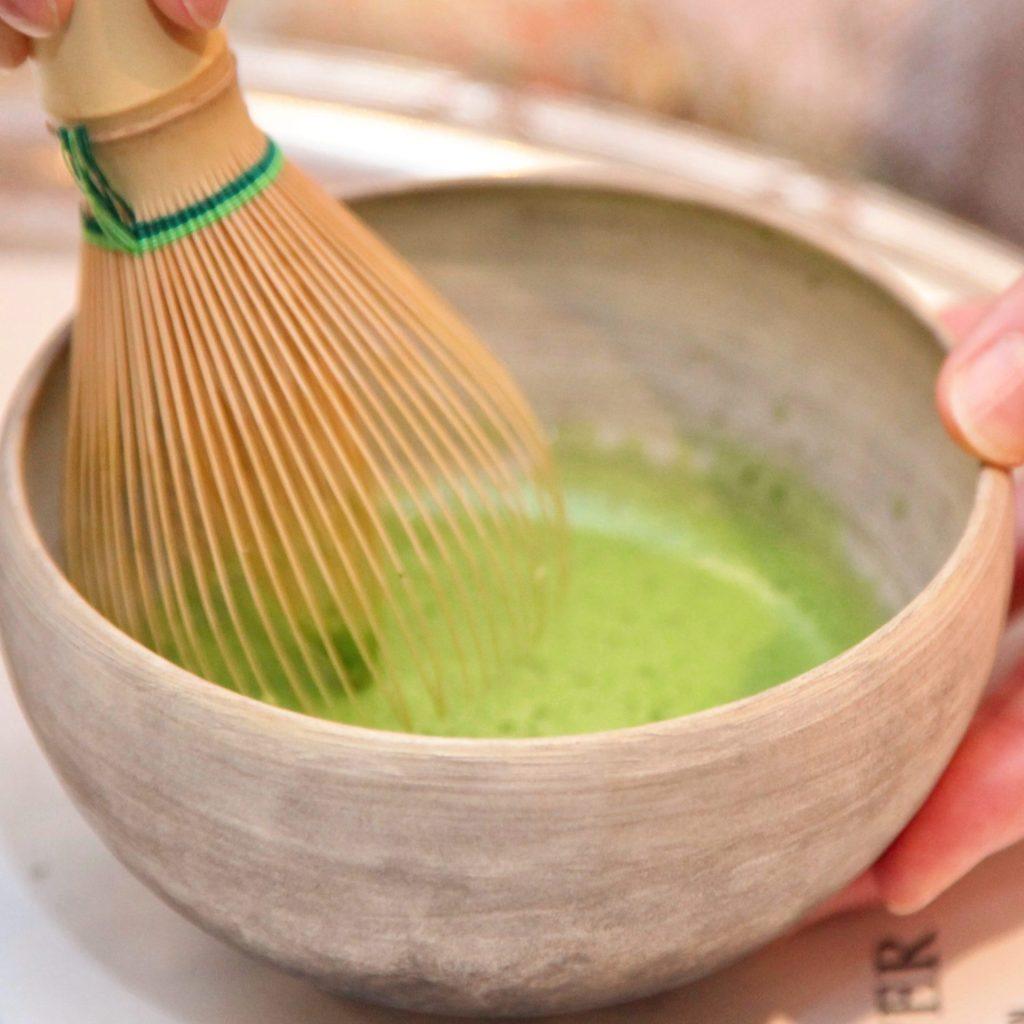
Matcha behaves quite differently from coffee when it comes to digestion.
Because you are consuming the whole leaf, you get a concentrated mix of catechins and amino acids that can support metabolic processes. The combination of caffeine and L-theanine creates a kind of steady alertness without triggering the stress response that coffee sometimes does.
For a lot of people, switching from coffee to matcha reduces bloating and feels easier on the stomach, especially in the morning or early afternoon. It is also simply less acidic, and the warm, smooth texture tends to be easier to digest.
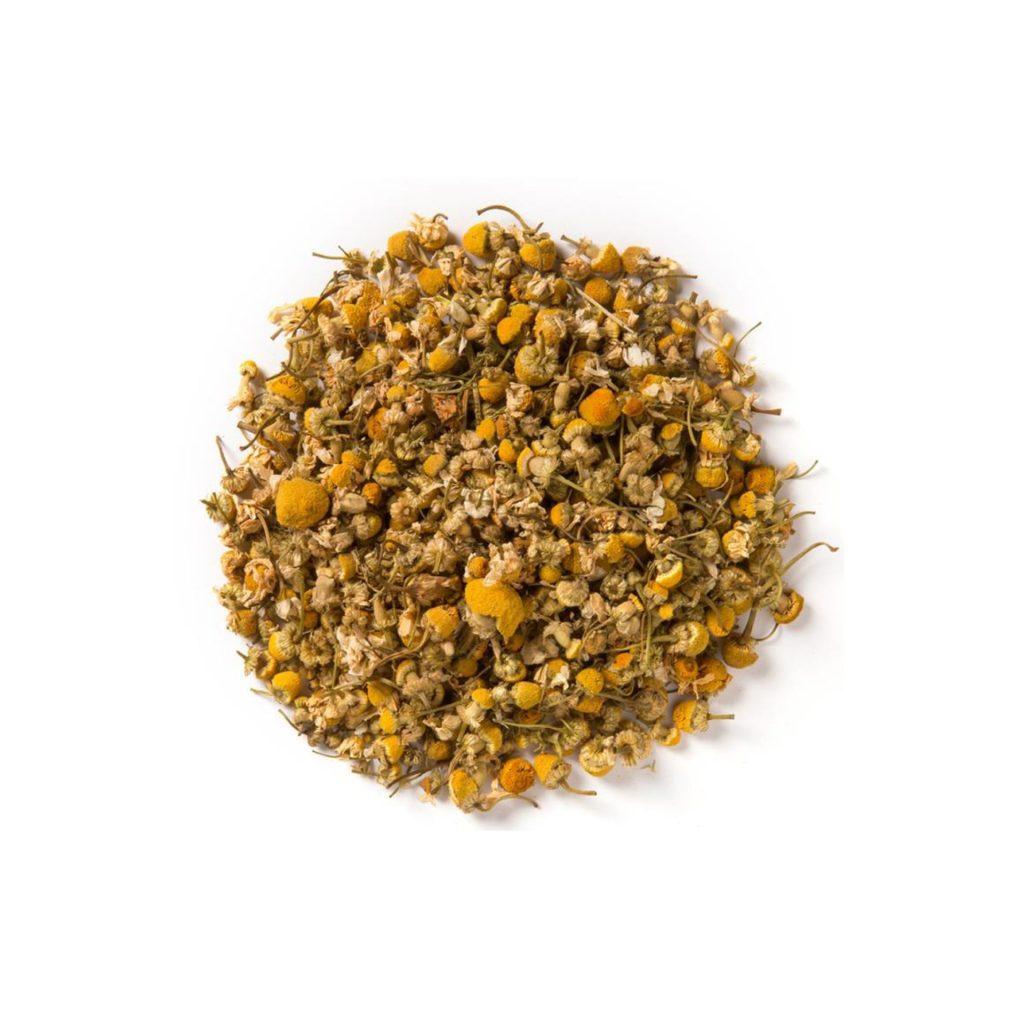
Chamomile has been used for digestive comfort for a very long time. It contains natural compounds that help relax the muscles in the digestive tract, which can ease things like bloating or mild cramps. At the same time, it calms the nervous system, which indirectly supports digestion as well.
Our Chamomile Blossom uses whole flowers rather than broken pieces, which results in a softer, more rounded infusion. It is particularly good in the evening, or after a heavier meal, when the body benefits from slowing down a bit.
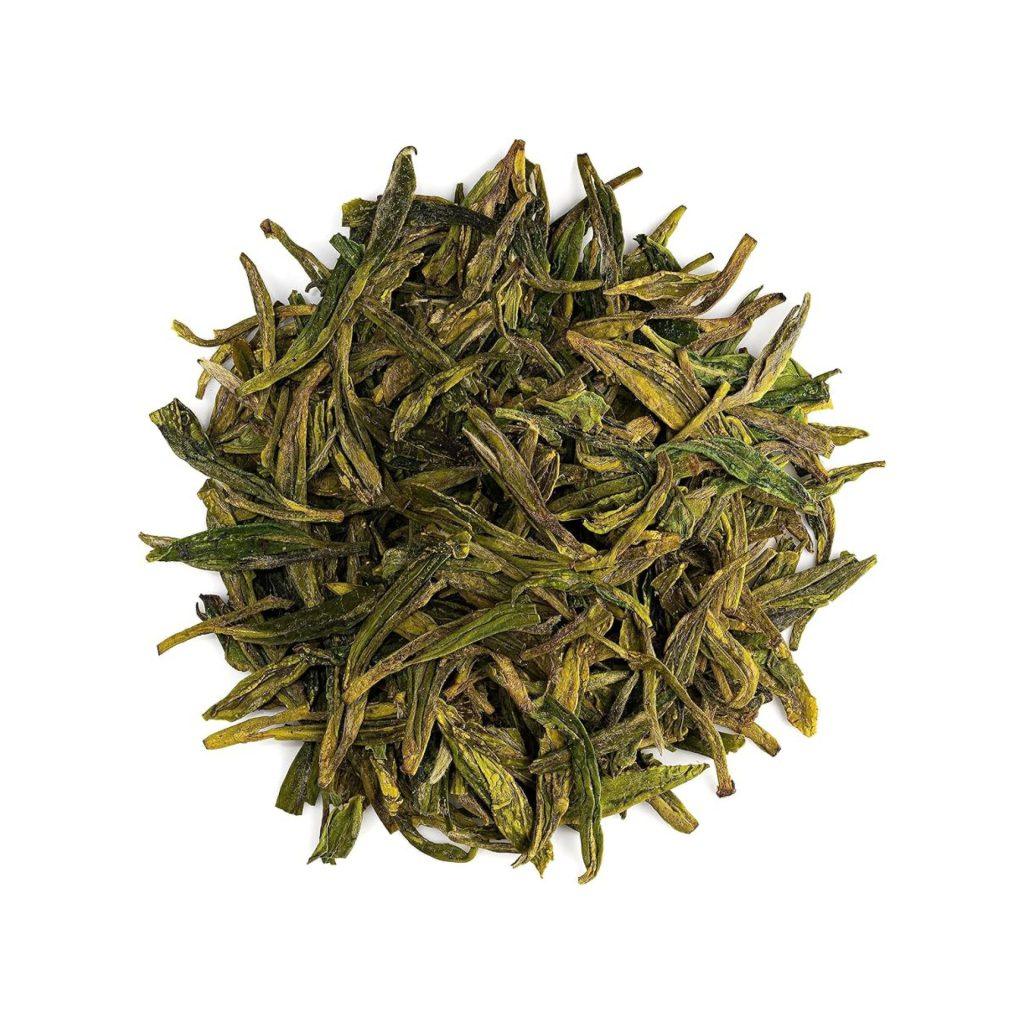
In Japan, it is quite common to drink green tea after eating. Teas like Dragon Zen and Rare Sencha contain catechins that may support metabolism and help maintain balance. The caffeine is present, but mild, enough to stimulate digestion without feeling intense.
Sencha in particular has a fresh, slightly vegetal taste that feels quite cleansing. Especially after richer or oily food. Many people notice that making green tea part of their routine helps reduce that heavy feeling after meals.
White tea is often seen as soft and subtle, but it also has its place here. Because it is processed so lightly, it retains a high level of natural compounds that may support gut health and reduce oxidative stress. At the same time, the caffeine is low, so it provides a bit of lift without irritation.
Cristallo Blend, with its Silver Needle base and light peach notes, is particularly easy to drink. Smooth, slightly sweet, and not demanding. It works well throughout the day, especially when you want something light that still feels supportive.
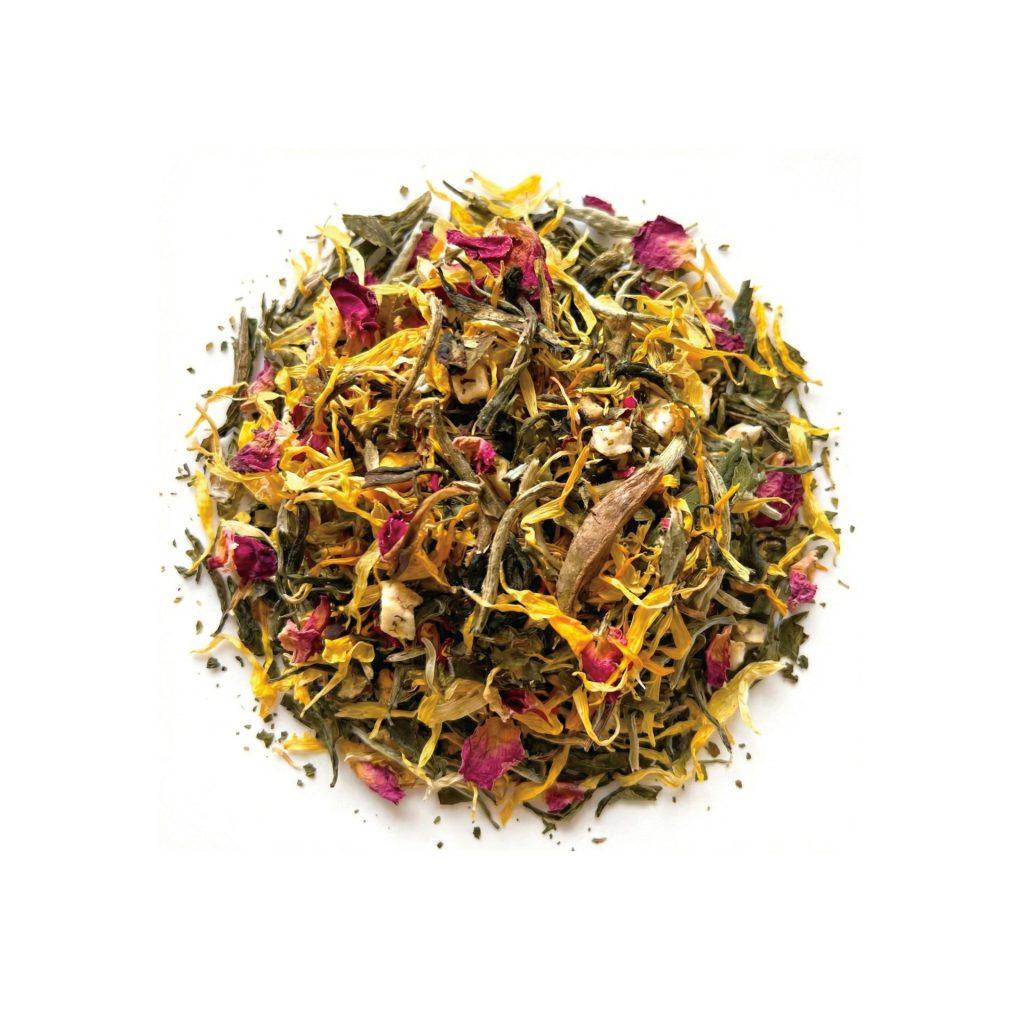
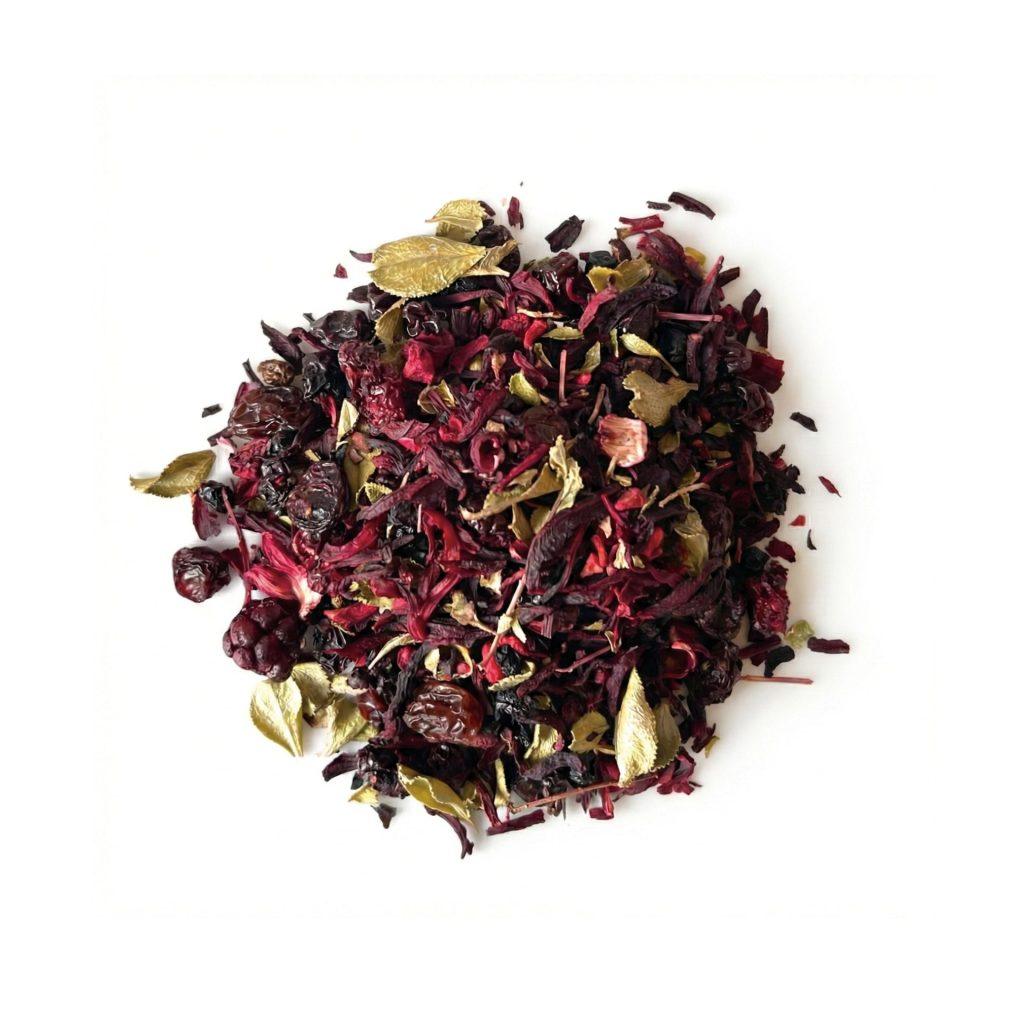
Fruit infusions contribute in a slightly different way. They encourage hydration, which is already important for digestion, and their natural acidity can stimulate saliva and digestive enzymes.
Forest Fruit Tea has a bright, berry-driven profile that makes it easy to keep drinking. And because it is caffeine-free, it is often a good option after meals when you want something flavourful without stimulation. The warmth and the fruit together can help reduce that feeling of fullness.
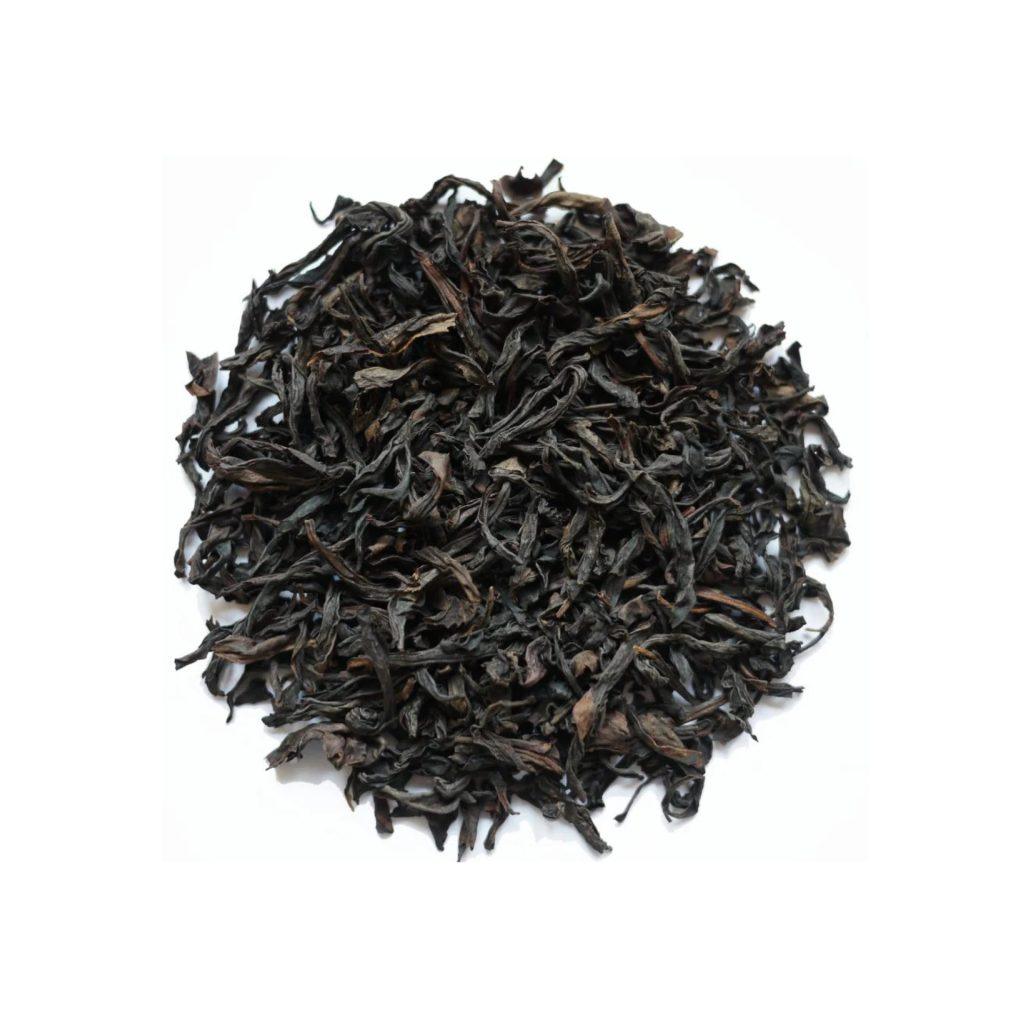
Oolong sits somewhere between green and black tea, which is also how it behaves in the body. Crimson Robe and Song of Orchid contain partially oxidised leaves that are rich in polyphenols. These have been linked to metabolic support and digestive balance.
In Chinese tea culture, oolong is often served after meals, particularly heavier ones. The flavour itself also plays a role. It is layered and interesting enough to encourage slower drinking, and that in itself supports digestion. For many people, oolong becomes a favourite after dinner tea for that reason.
Timing does make a difference. In the morning, matcha or green tea can help get things moving and support metabolism. After meals, green tea or oolong can help reduce heaviness and clear the palate. In the evening, something like chamomile helps the body relax so digestion can finish comfortably before sleep.
But more than anything, consistency matters. Small, daily habits tend to have a bigger effect than anything intense or occasional.
Digestive wellbeing does not come from a single ingredient. It is influenced by stress, eating habits, hydration, and how your nervous system is functioning. Tea supports this because it works on several levels at once. It hydrates, warms, calms, and gently stimulates. And it introduces plant compounds that interact with the body in subtle ways.
But just as important, it creates a pause. And that pause alone can change how the body processes food.
Tea has never really been just a drink. It has always been part of something broader. Nourishment, routine, comfort. When chosen well, teas like matcha, chamomile, green tea, oolong, and white tea can quietly support digestion. Not by forcing anything, but by working with the body. And that is usually where the real benefit is.
