There is always a small moment before you start making matcha.
Before the whisk hits the water, before anything really happens, there is just a pause. You’re holding the bowl, the powder is sitting there, and for a second nothing moves. It is a simple thing, but it is also part of what makes matcha feel different from other drinks.
In Japan, that moment has been part of tea culture for centuries. Matcha is not just something you drink. It is something you prepare, and that preparation matters.
These days, matcha is everywhere. Which is great. But a lot of people experience it without really knowing what they are drinking, or why good matcha tastes the way it does. This is just a way to understand it a bit better, and to get more out of it.
Matcha is green tea, but not in the way most people think of tea.
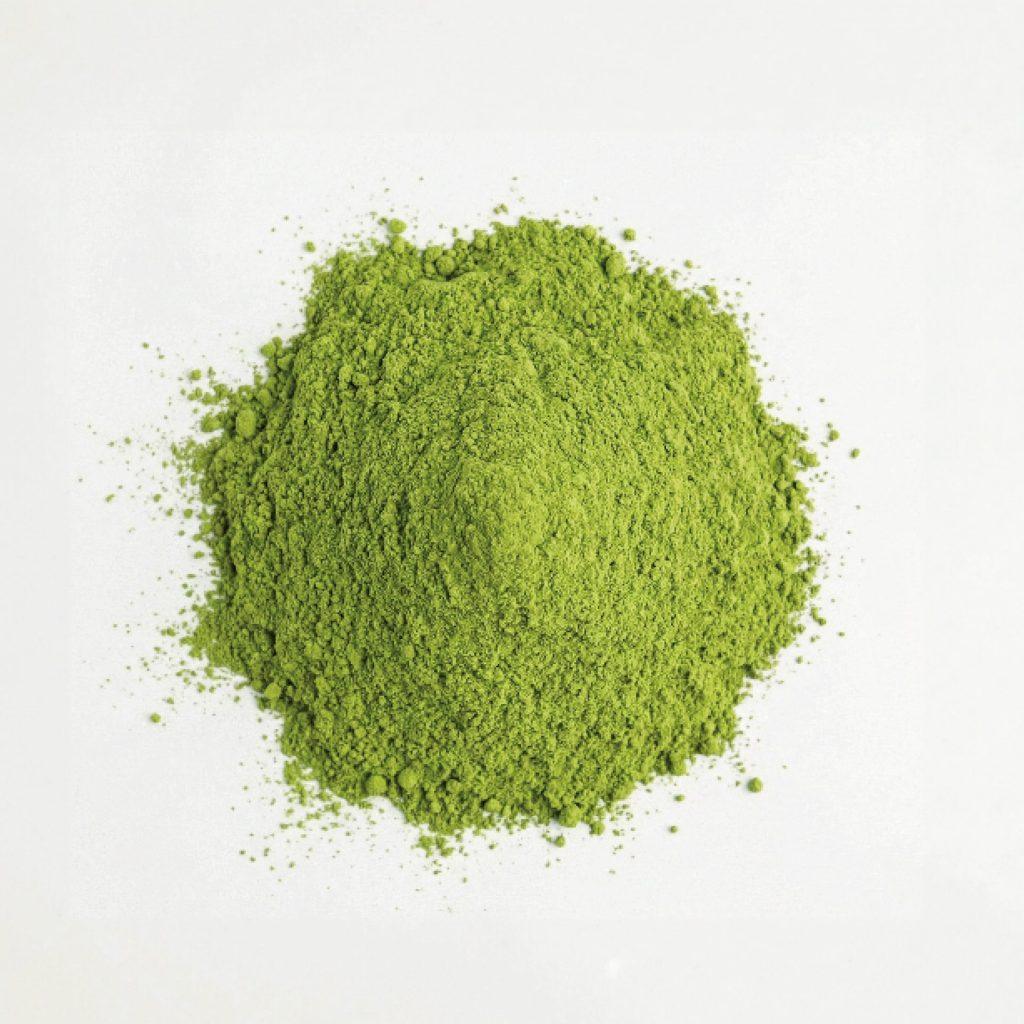
Instead of steeping leaves and throwing them away, you are drinking the whole leaf. The leaves are ground into a very fine powder, and that is what you whisk into water. That alone already changes quite a lot. The flavour is deeper, and you get more of what is actually in the leaf.
The leaves used for matcha are called tencha, and they are grown differently. A few weeks before harvest, the plants are covered to keep them out of direct sunlight. It sounds simple, but it changes the chemistry of the plant. You get more chlorophyll, more amino acids, and that is where the bright colour and the softer, slightly savoury taste come from.
After harvesting, only the youngest leaves are used. They are dried, cleaned up, and then slowly ground between stone wheels. It is not a fast process.
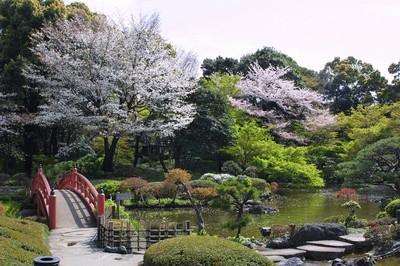
Good matcha tends to come from places like Kyoto, Nishio, Shizuoka, and Kagoshima. Not just because of the climate, but because people there have been doing this for a very long time.
Tea in Japan was never just about drinking something warm.
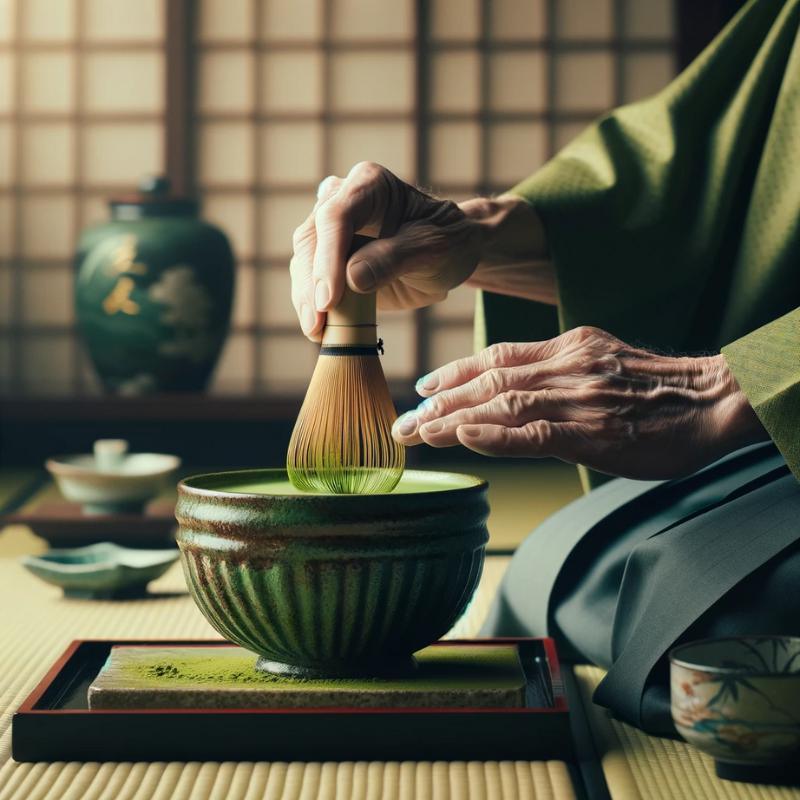
Matcha became part of the tea ceremony over 800 years ago. Sadō, the way of tea, is built around a few simple ideas: harmony, respect, purity, and tranquillity. It sounds abstract, but in practice it just means that everything is done with attention. Nothing is rushed, and nothing is random.
Monks used matcha to stay focused during meditation. Samurai drank it before battle, not for energy in the usual sense, but to stay sharp and composed. That same quality is still there. It is one of the reasons people often move from coffee to matcha.
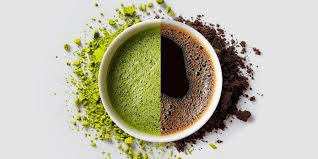
Matcha has caffeine, but it does not behave like coffee.
With coffee, you usually feel it quite quickly. And then, at some point, it drops off. Matcha is slower. The caffeine is released more gradually because of L-theanine, which changes how your body processes it.
The result is more stable. You feel awake, but not overstimulated. It lasts longer as well. People often describe it as a cleaner kind of energy. That sounds vague, but it is actually quite accurate once you experience the difference.
It is also worth mentioning that matcha contains a high level of antioxidants. Whether that is your main reason for drinking it or not, it is part of the overall picture.
You can usually tell quite quickly if a matcha is good.
The colour is the easiest indicator. It should be a bright, almost vivid green. If it looks dull or slightly brownish, it is usually lower quality. The taste should be smooth, slightly sweet, and a bit savoury. Not bitter, not sharp. If you feel like you need to “get through it”, something is off. A lot of lower quality matcha comes from later harvests or less careful production. It is not necessarily bad, but it is a different experience.
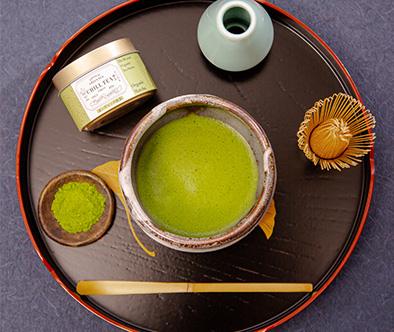
At Chill Tea Tokyo, the focus is simply on doing it properly.
The matcha comes from the well-known tea regions in Japan, places where this is still treated as a craft rather than just production.
The SS Ceremonial Grade Matcha is made from the first harvest of the year, Ichibancha. These leaves grow after winter and tend to be softer, richer, and more balanced in flavour.
After picking, the leaves are steamed to keep their colour and freshness. Then they are refined quite carefully, removing stems and veins so that only the soft parts remain. This step takes time, but it makes a noticeable difference in taste. Only after that are they ground into powder.
The result is a matcha that feels quite clean and balanced. There is a bit of creaminess to it, a clear umami note, but nothing harsh. It is easy to drink, but not flat or boring.
You do not need much to make good matcha.
A small amount of powder, around half a teaspoon. Water that is hot, but not boiling, roughly 70 to 80°C. A bowl, and ideally a whisk.
If you have a sieve, it helps to get rid of clumps, but it is not essential.
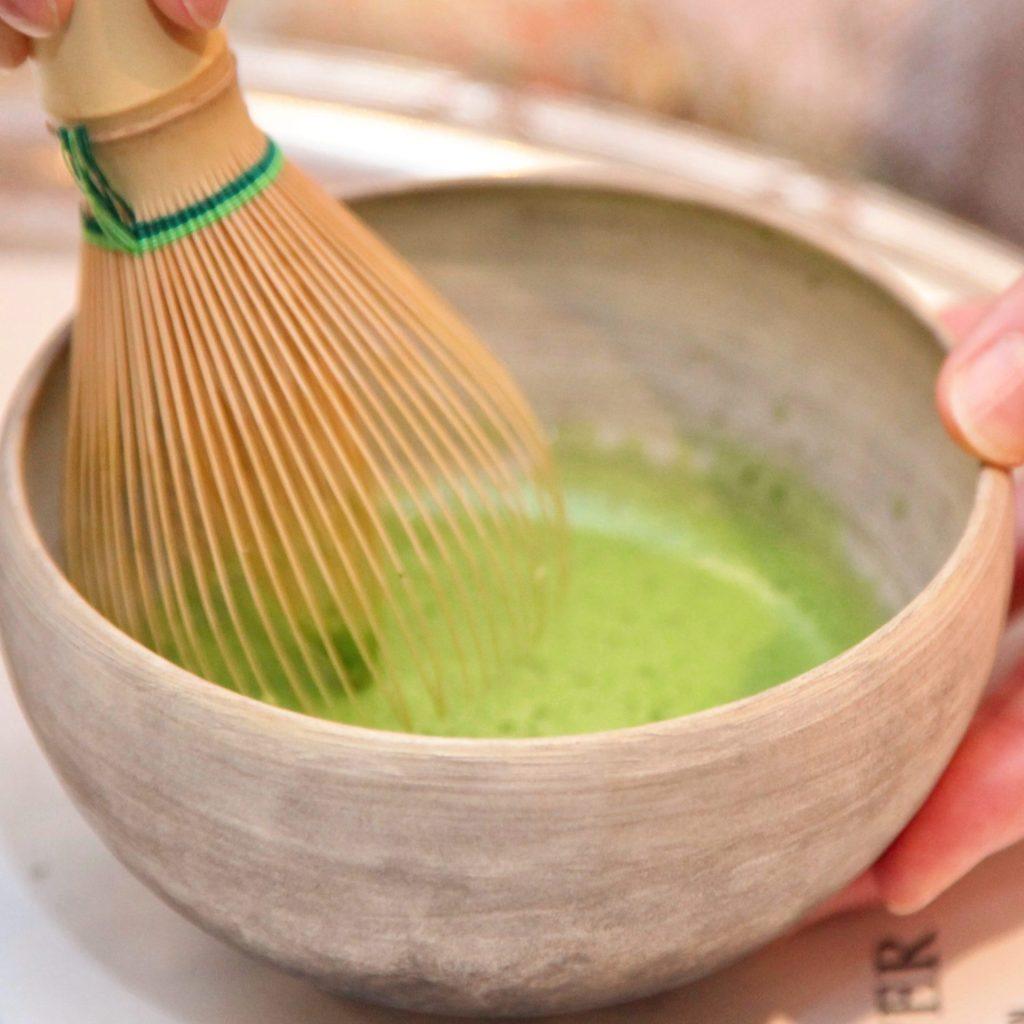
Start by adding the matcha to the bowl. A little water first, just enough to make a smooth paste. Then add more water, around 60 to 80 millilitres.
Whisk it in a quick back-and-forth motion until you get a light foam on top.
And then just pause for a second before drinking it. It sounds like a small thing, but it changes the experience.
If you prefer it with milk, you can turn it into a latte quite easily after whisking.
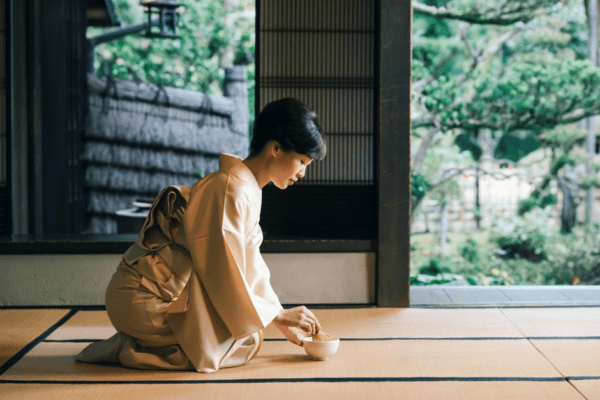
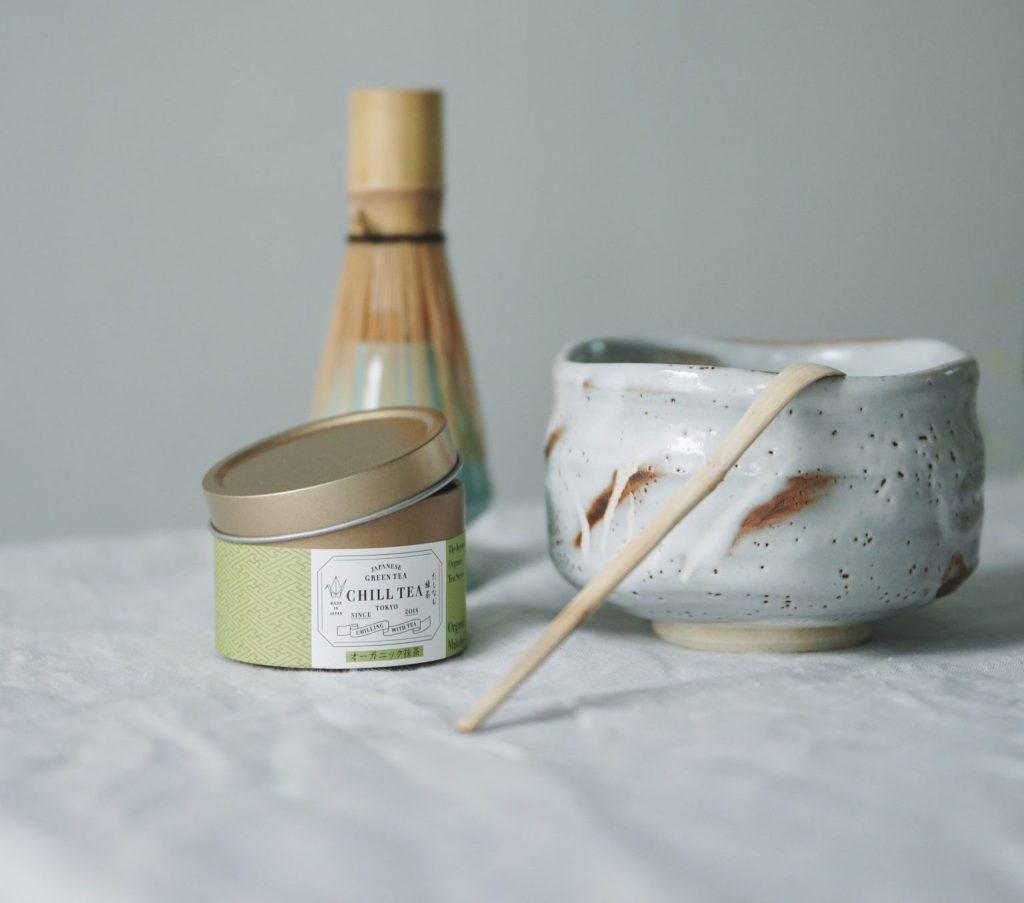
One of the things people like about matcha is that it naturally slows things down, even if only for a minute. It can be part of your morning, or something you use to reset during the day. It does not take long, but it is different from grabbing a coffee and moving on.
That small difference is kind of the point.
Good matcha reflects where it comes from. The way it is grown, processed, and handled all show up in the cup. And when you drink it, you are not just having tea. You are taking part in something that has been refined over a long time.
That pause at the beginning, the one before you start, is still part of it.